
Private Label
Intimate Care & Lubricants
An intimate-hygiene cleansing foam supporting the skin microbiome, manufactured to EU rinse-off rules; lubricants sit in a different regulatory regime.
- ISO 22716 GMP
In brief
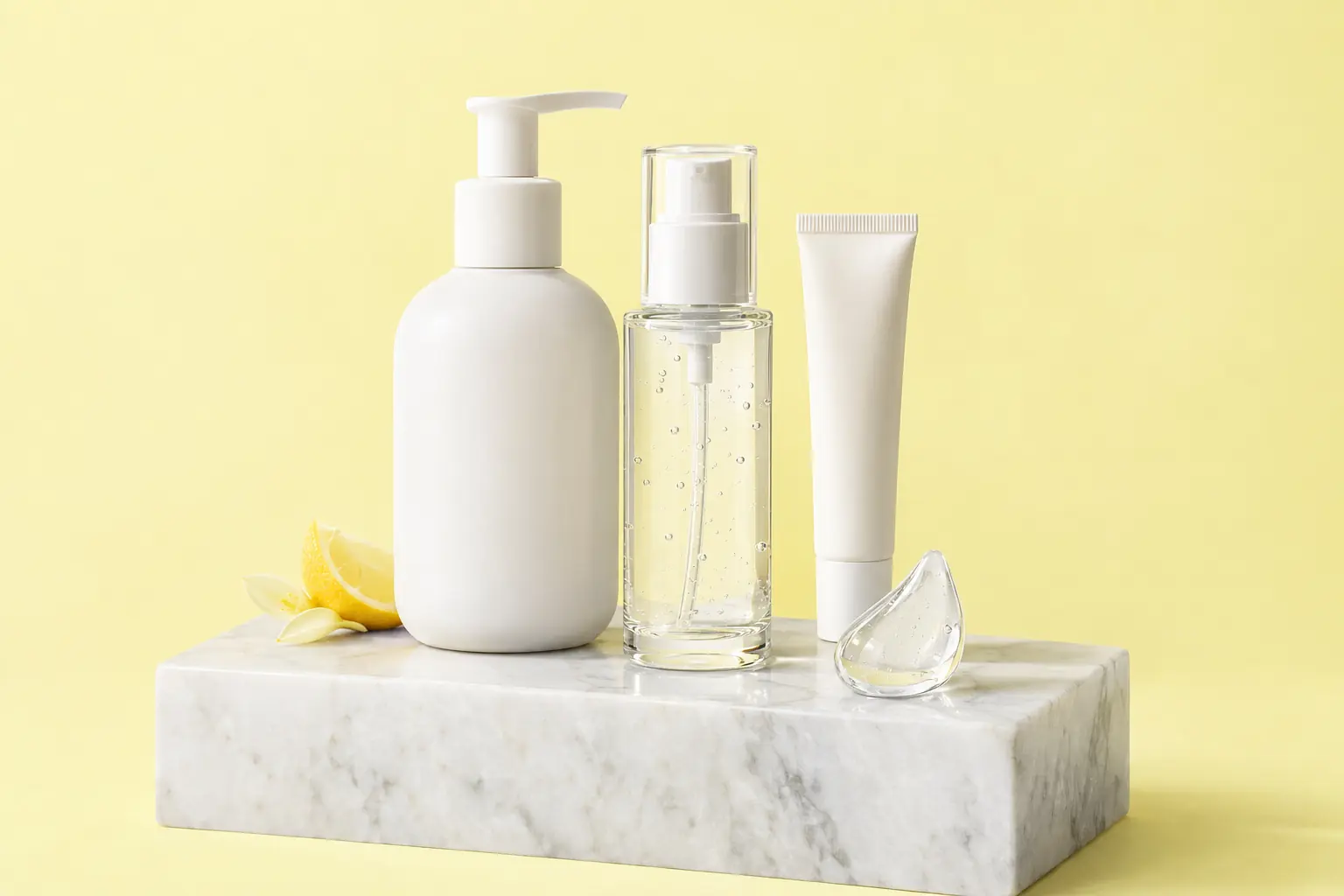
Intimate hygiene covers external cleansing, which stays a cosmetic under Regulation 1223/2009; lubricants intended to reduce friction during sexual activity are generally regulated in the EU as a medical device under MDR 2017/745. AKTO has manufactured an intimate-hygiene cleansing foam with hydrolyzed wheat protein, sodium PCA, lactic acid and Lactobacillus ferment, at pH 4.7, in a 50-200 ml pump-foam dispenser.
01
Intimate care and lubricants: two different categories
External intimate cleansing is a cosmetic product that a brand formulates as a daily or sensitive-skin option. AKTO has manufactured an intimate-hygiene cleansing foam with hydrolyzed wheat protein, sodium PCA, lactic acid and Lactobacillus ferment, claimed to support the skin microbiome and protect the natural skin barrier, at a formulated pH of 4.7, in a 50-200 ml pump-foam dispenser. A lubricant is a different type of product: it reduces friction during sexual activity, and in the EU it generally falls under a different legal regime than cosmetics. For a brand, that means planning an intimate-care line as two separate documentation tracks - cosmetic for cleansing and potentially medical-device for a lubricant - even when the products sit on the same shelf.
02
Formulation and labelling requirements for the foam
As a rinse-off product, the intimate-hygiene foam carries a fragrance-allergen labelling threshold of 0.01% by weight under Annex III of Regulation (EC) No 1223/2009. Claims about microbiome support or pH balance must satisfy the common criteria of Regulation (EU) No 655/2013 - truthfulness, evidential support, no overstatement.
- Format: intimate-hygiene cleansing foam
- Packaging: pump-foam dispenser 50-200 ml
03
Where the regulatory boundary falls
Cosmetic products for external intimate cleansing remain within the scope of Regulation (EC) No 1223/2009 and require the same cosmetic product safety report (CPSR) and market-entry notification as other rinse-off and leave-on cosmetics. Personal lubricants intended to reduce friction during sexual activity are generally regulated in the EU as medical devices under Regulation (EU) 2017/745 (MDR) - a different legal regime from cosmetics: a medical device goes through its own conformity assessment and carries CE marking, with its own documentation requirements. AKTO can take on lubricant development on request, subject to separate agreement with the brand on the medical-device regime before formulation starts. In Ukraine, intimate-hygiene cosmetics are classified under Cabinet of Ministers Resolution No. 65.
04
What AKTO manufactures
The existing product is the intimate-hygiene cleansing foam described above. MOQ for cosmetics starts from 50 kg. Manufacturing runs at plants in Kyiv, Ukraine, and Warsaw, Poland, certified to ISO 9001:2015 and ISO 22000:2018 (HACCP; combined certificate No. 44600111204), ISO 22716 (GMP).
05
Getting started with an intimate-care project
A brand specifies the target claim - microbiome support, pH balance or gentle cleansing - and the dispenser volume, and AKTO checks the fragrance allergen and the claim's evidential basis before formulation begins.
- Brief: target claim, skin type, dispenser volume
- Formulation and an allergen check against Annex III
- Samples and stability testing
- Production start and label review
See also: Body, Hand Antiseptics, Depilation & Shaving and Cosmetics & Personal Care.
Frequently Asked Questions
Are lubricants regulated the same way as intimate-hygiene cosmetics?
What is the allergen labelling threshold for the intimate-hygiene foam?
What pH does AKTO's intimate-hygiene foam have?
Does AKTO manufacture a lubricant?
Expert review
Reviewed by
 Illia Mariutsa
Researcher, organic chemistry
Google Scholar Anastasiia Bespalova
Paediatric orthopaedic and trauma surgeon
ORCID
Standards we work to
 ISO 22716 (GMP)
 ISO 22000 (HACCP)
 Regulation (EC) No 1223/2009
 Directive 2002/46/EC
 Halal
Why AKTO
- Existing intimate-hygiene foam at pH 4.7
- Claimed microbiome and skin-barrier support
- Clear distinction between the cosmetic and MDR regulatory regimes
- Manufacturing to ISO 22716 (GMP) in Kyiv (Ukraine) and Warsaw (Poland)