
Private Label
Oil Cuticle
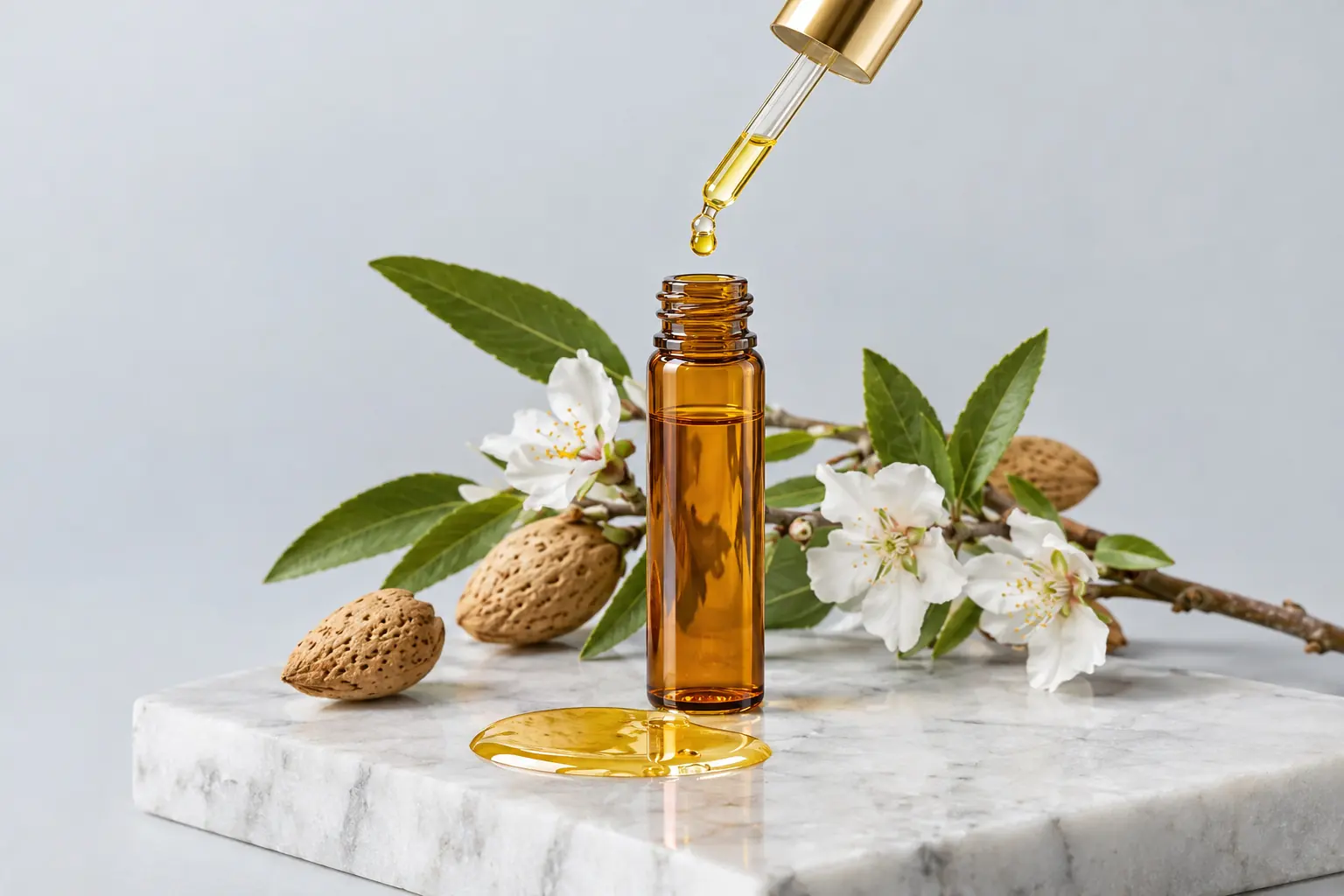
An anhydrous oil blend for cuticle care in a dropper bottle - AKTO develops and manufactures it under a brand's own label.
- Nails & Cuticle Care
In brief
Cuticle oil is an anhydrous oil blend applied locally to nourish the skin around the nail. AKTO develops and manufactures this oil on its oil-blend lines to order, in a dropper bottle or an airless-pump bottle, and keeps the brand's formula a protected trade secret.
01
What AKTO offers
Company AKTO LLC (AKTO) develops and manufactures cuticle oil on its oil-blend lines in two modes: from the client's own supplied raw materials (tolling) or from raw materials supplied by AKTO. The brand's formula stays its own trade secret and is never reused for a competing product under AKTO's non-disclosure agreement, since AKTO does not own any B2C brands of its own. Packaging covers dropper bottles of 50-100 ml and airless-pump bottles, which slow oxidation of the oil once opened.
02
Cuticle oil: what it is and who it is for
Cuticle oil is an anhydrous blend of oils applied locally to the skin around the nail plate to nourish and soften it, left on rather than rinsed off. The format suits a nail-care brand that wants a light, fast-absorbing product alongside a cuticle cream or a polish, and also a hand-care line where a cuticle oil rounds off the daily ritual.
03
Allergen threshold and no solvent cap
Fragrance allergens under Annex III to Regulation (EC) No 1223/2009 (for example entries 67-92) must be declared in the ingredient list once their concentration in a leave-on product such as a fragranced cuticle oil exceeds 0.001%, ten times lower than the 0.01% threshold for a rinse-off product. Unlike toluene - a nail-lacquer solvent capped at 25% under the same Annex's entry 185 - a cuticle oil carries no equivalent solvent restriction, since it is an anhydrous oil blend rather than a lacquer-solvent system.
04
The finished product sits outside CLP
A finished cuticle oil, as a cosmetic product under Regulation (EC) No 1223/2009, is exempt from the classification, labelling and packaging requirements of Regulation (EC) No 1272/2008 (CLP) under Article 1(5)(c) - unlike its individual raw ingredients before formulation. The testing checklist for a product's technical dossier requires a preservative challenge test for a water-containing cosmetic; for an anhydrous oil, the need for that specific test is determined by a microbiological risk assessment, but the oil still goes through the same physicochemical testing (viscosity, organoleptic properties) and stability testing as any other AKTO formula.
05
Getting started
- The brand supplies a technical brief or a reference sample of the oil.
- The brand chooses the production mode - client-supplied or AKTO-supplied raw materials.
- AKTO builds the formula and runs physicochemical and stability testing.
- The brand approves the sample, AKTO selects the dropper bottle, and series production starts.
See also: Nails & Cuticle Care, Cream Cuticle and Cuticle Softener Treatment.
Frequently Asked Questions
What packaging does AKTO use for cuticle oil?
Does the oil's formula stay the brand's trade secret?
What is the allergen-labelling threshold for a fragranced cuticle oil?
Does a finished cuticle oil need CLP hazard labelling?
 Kateryna Khromykh
 Oleksandra Vovk
Standards we work to
 ISO 22716 (GMP)
 ISO 22000 (HACCP)
 Regulation (EC) No 1223/2009
 Directive 2002/46/EC
 Halal
Why AKTO
- Two production modes: client-supplied or AKTO-supplied raw materials
- The brand's formula stays a protected trade secret under NDA
- Dropper bottles 50-100 ml and airless-pump bottles
- Physicochemical and stability testing on every formula