
Private Label
Activated Charcoal Toothpaste
AKTO develops and manufactures activated-charcoal toothpaste to order on its paste lines in Kyiv (Ukraine) and Warsaw (Poland).
- ISO 22716 GMP
In brief
Company AKTO LLC (AKTO) develops and manufactures activated-charcoal toothpaste to order on its paste lines in Kyiv (Ukraine) and Warsaw (Poland), with or without a fluoride component depending on the brand's choice. Abrasivity for this format is determined and declared to ISO 11609:2017. The minimum batch is 50 kg of finished formulation.
01
What activated-charcoal toothpaste is
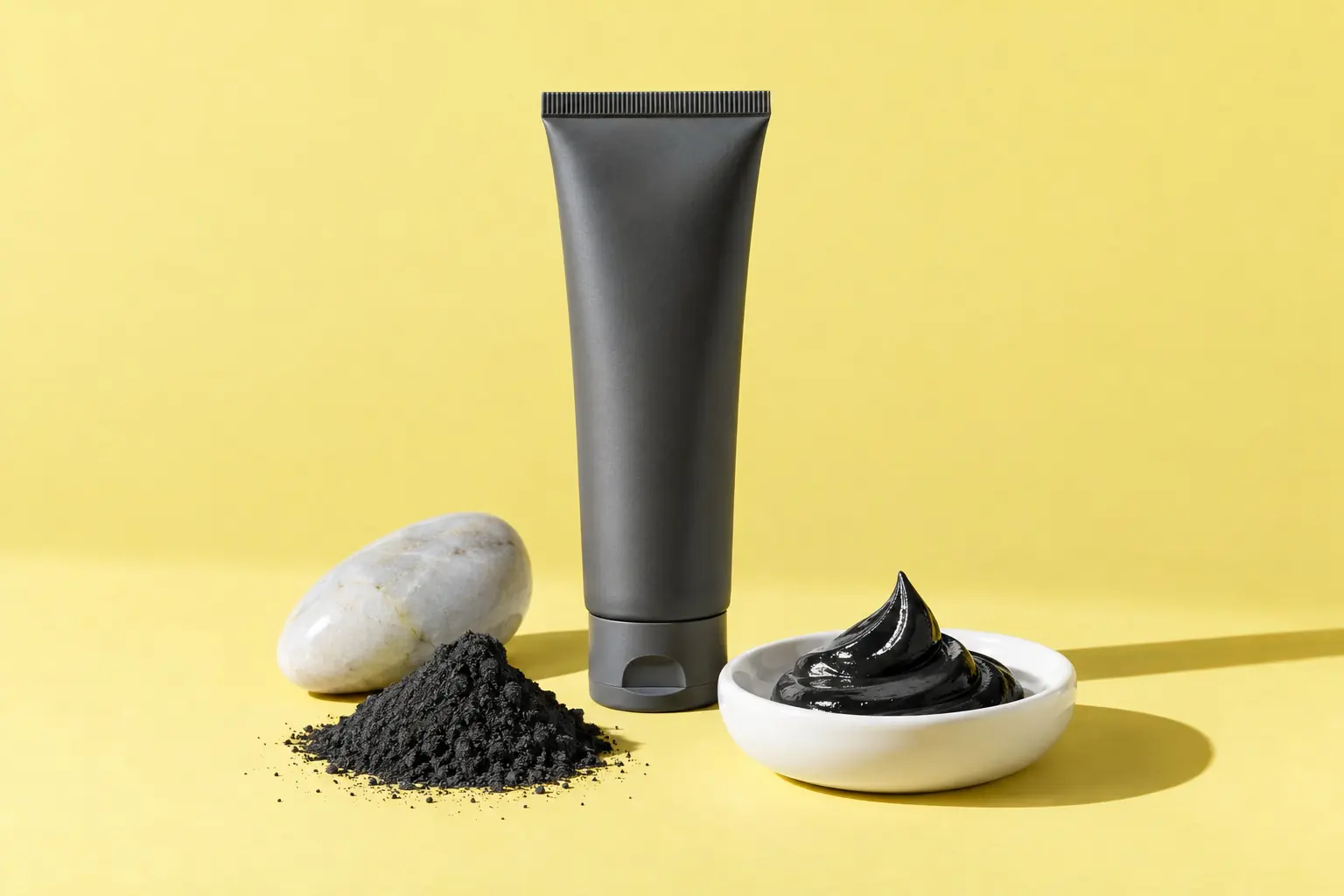
This category is built around the formula's black colour and the mechanical polishing effect of activated charcoal on the tooth surface - shoppers read it as a 'natural' alternative to chemical whitening. Brands typically launch it as a standalone line with minimalist black packaging, and mechanical abrasion, not chemical whitening, is the core working principle here. The formula's black colour also calls for extra attention to how the colourant behaves with the tube material and with foam during brushing, so the product leaves no visible residue on the sink or the brush.
02
Abrasivity under ISO 11609:2017
ISO 11609:2017, 'Dentistry - Dentifrices - Requirements, test methods and marking', specifies requirements for the physical and chemical properties of dentifrices, provides guidelines for suitable test methods, and specifies requirements for marking, labelling and packaging. The abrasivity of an activated-charcoal toothpaste is assessed against the requirements of ISO 11609:2017 based on test results for the specific formula; the standard caps relative dentin abrasivity (RDA) at 250. For a brand, that means a specific abrasivity figure can only be put on the pack once the lab has run and documented the test on that exact formula.
03
Fluoride is the brand's choice
A formula with no fluorine compound at all falls entirely outside the Annex III fluoride entries of Regulation (EC) No 1223/2009 - the 0.15%-as-F cap and its children's warning apply only where a fluorine compound is actually present in the formula; this is a formulation choice, not a separate labelling requirement for a fluoride-free charcoal paste. Article 20(1) allows a cosmetic claim of surface stain removal through mechanical abrasion, but not a 'detox' or internal-health claim.
04
What AKTO offers
AKTO's stated monthly filling capacity for tube-format packaging reaches up to 300,000 units in Kyiv (Ukraine) and up to 100,000 units in Warsaw (Poland). AKTO's in-house R&D lab builds the charcoal formula, balancing its abrasive content against enamel safety, around the brand's reference sample; AKTO's manufacturing is certified to ISO 22716 (GMP), ISO 22000 (HACCP) and ISO 9001 for all product types.
05
Getting started
A brand decides whether to add a fluoride component, sets the target abrasivity level and the exact wording of the stain-removal claim; AKTO prepares the formula, runs testing to ISO 11609:2017 and delivers the batch with documentation for the chosen market. The minimum batch is 50 kg of finished formulation. See also: Toothpaste, Household, Hygiene & Specialty Care, Smokers' Toothpaste and Remineralizing Hydroxyapatite Toothpaste.
Frequently Asked Questions
Does ISO 11609:2017 set a specific abrasivity number for charcoal toothpaste?
Is fluoride mandatory in an activated-charcoal toothpaste?
Can a charcoal toothpaste claim a 'detox' effect?
What is AKTO's minimum batch for activated-charcoal toothpaste?
 Kateryna Khromykh
 Oleksandra Vovk
Standards we work to
 ISO 22716 (GMP)
 ISO 22000 (HACCP)
 Regulation (EC) No 1223/2009
 Directive 2002/46/EC
 Halal
Why AKTO
- Activated-charcoal toothpaste developed with or without fluoride
- Abrasivity determined and declared from the formula's own test results, to ISO 11609:2017
- Claims limited to surface stain removal, no 'detox' promise
- Tube-filling capacity up to 300,000 units/month in Kyiv (Ukraine) and 100,000 in Warsaw (Poland)
- MOQ from 50 kg, plants in Kyiv (Ukraine) and Warsaw (Poland)