
Private Label
Body Lotion
A moisturizing body-lotion emulsion with D-Panthenol, Vitamin A and Vitamin E in a 250 ml pump bottle, manufactured to EU allergen and durability rules.
- ISO 22716 GMP
In brief
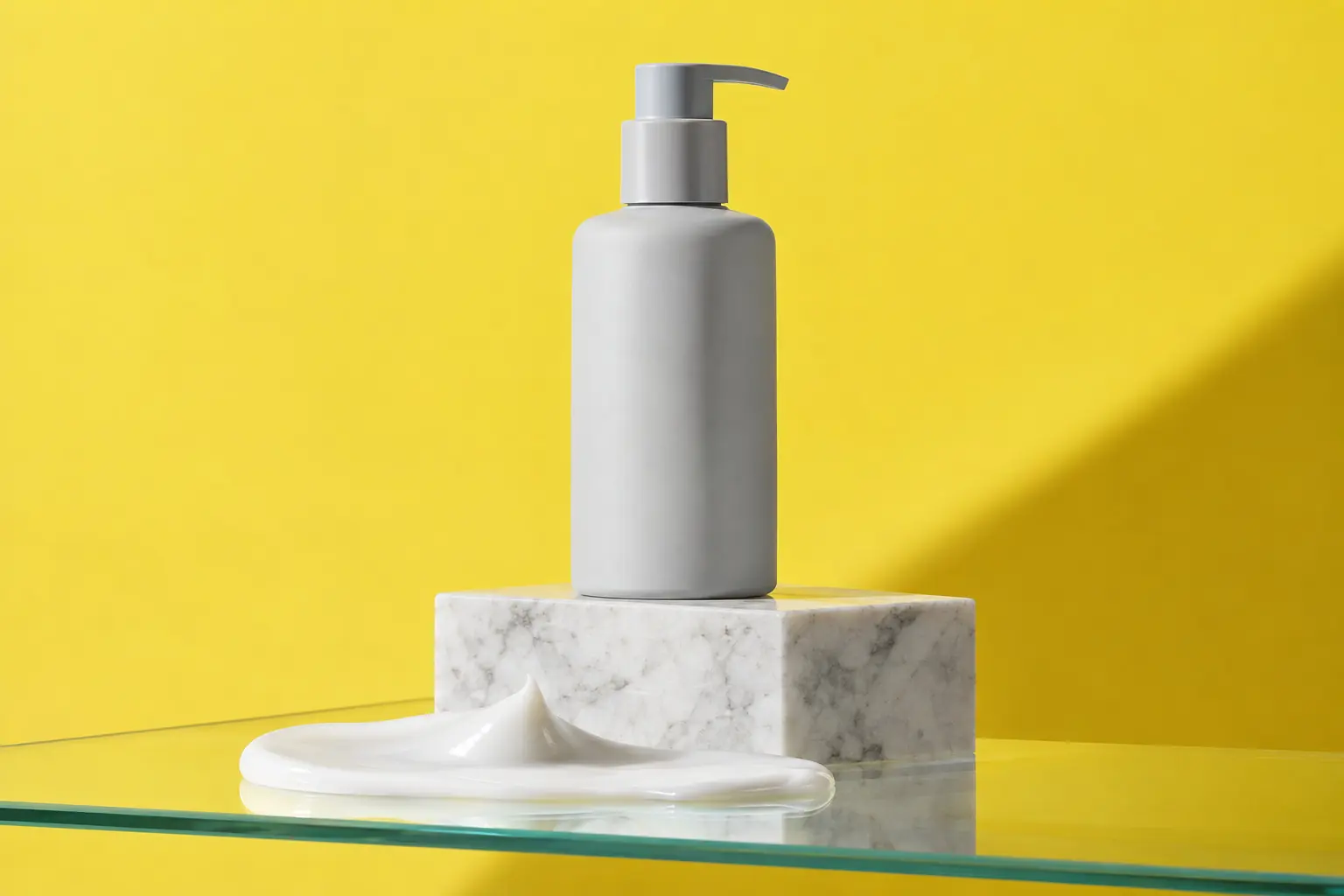
Company AKTO LLC (AKTO) already manufactures a body lotion - a leave-on moisturizing emulsion with D-Panthenol, Vitamin A and Vitamin E, claimed for deep hydration and a long-lasting non-greasy effect, in a 250 ml pump bottle. Cosmetics MOQ starts from 50 kg, and manufacturing follows Annex III of Regulation (EC) No 1223/2009 on allergen labelling.
01
Body lotion in a brand's everyday lineup
Body lotion is a leave-on cosmetic for daily skin hydration that a brand typically places at the centre of a body-care range, alongside a shower gel or scrub. AKTO already manufactures a moisturizing body-lotion emulsion with D-Panthenol, Vitamin A, Vitamin E and emollients, claimed for deep hydration and a long-lasting non-greasy effect, in a 250 ml pump bottle. A second texture on the same liquid-systems line is a regenerating lamellar body emulsion in a 500 ml bottle - a thicker variant of the same lotion family, also part of AKTO's production.
02
Allergens, preservatives and shelf life
Because a lotion is a leave-on product, Annex III of Regulation (EC) No 1223/2009 requires a fragrance allergen to be listed once its concentration exceeds 0.001% (the threshold is 0.01% for a rinse-off product). A preservative in the lotion's water phase may only come from the Annex V list; Phenoxyethanol, entry 29, for example, is capped at 1.0% in the ready-for-use product. Article 19(1) of the regulation requires a date of minimum durability on the bottle, or, where that period exceeds 30 months, a Period-After-Opening (PAO) symbol stating the usage period after opening instead of a date.
03
Label claims and Ukraine's market rules
A claim such as 'deep hydration' or 'long-lasting non-greasy effect' has to satisfy the six common criteria of Regulation (EU) No 655/2013 - truthfulness, evidential support and the rest - before it appears on packaging or in advertising. In Ukraine, body lotion is classified as a cosmetic product under Cabinet of Ministers Resolution No. 65 of 20 January 2021; point 46 of that Resolution bans placing on the market any product whose final formulation or ingredients were animal-tested by a non-alternative method once a validated alternative exists.
04
What AKTO manufactures
AKTO's portfolio holds exactly the two lotion textures described above, both in 250-500 ml pump bottles on the same liquid-systems line. Cosmetics MOQ starts from 50 kg. Manufacturing runs at plants in Kyiv, Ukraine, and Warsaw, Poland, and every listed certificate is currently valid: ISO 9001:2015 and ISO 22000:2018 (combined certificate No. 44600111204), ISO 22716 (GMP).
05
Getting started with a body lotion project
A brand decides which of the two textures fits its concept - the lighter emulsion or the thicker lamellar version - and which actives to feature on the label, and AKTO checks the allergen level and the durability claim wording before production starts.
- Brief: texture, actives, bottle size
- Formulation and a check against Annex III and Article 19
- Samples and stability testing
- Production start and label review
See also: Body Moisturizers & Oils, Body Milk, Body Cream and Body Oil.
Frequently Asked Questions
What allergen labelling threshold applies to a body lotion?
How many lotion textures does AKTO already manufacture?
Which preservative is allowed in a body lotion's water phase?
When does a body-lotion bottle need a PAO symbol instead of a date?
Expert review
Reviewed by
 Illia Mariutsa
Researcher, organic chemistry
Google Scholar Anastasiia Bespalova
Paediatric orthopaedic and trauma surgeon
ORCID
Standards we work to
 ISO 22716 (GMP)
 ISO 22000 (HACCP)
 Regulation (EC) No 1223/2009
 Directive 2002/46/EC
 Halal
Why AKTO
- Two body-lotion textures on one liquid-systems line
- Allergen and durability checks completed before production starts
- Cosmetics MOQ from 50 kg
- Manufacturing to ISO 22716 (GMP) in Kyiv (Ukraine) and Warsaw (Poland)